 SAO NAM | Particle Measuring Systems (PMS) Việt Nam | Life Science & GMP Solutions








Thiết bị PMS đời cũ còn dùng được không? Quản lý phụ tùng, phần mềm và kế hoạch thay thế
“Máy vẫn chạy” không đồng nghĩa rủi ro vòng đời còn thấp. Với model obsolete, linh kiện, hệ điều hành, phần mềm, giao thức và năng lực hiệu chuẩn có thể bị giới hạn; nhà máy cần kế hoạch dự phòng và di chuyển dữ liệu trước khi xảy ra hỏng không thể phục hồi.
Gửi model, số sê-ri và hiện tượng lỗi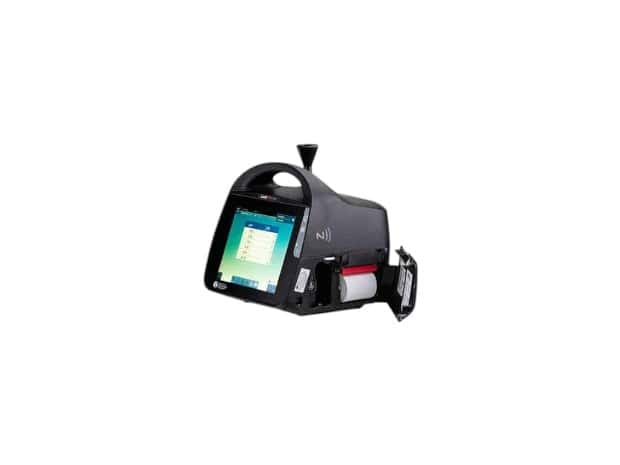
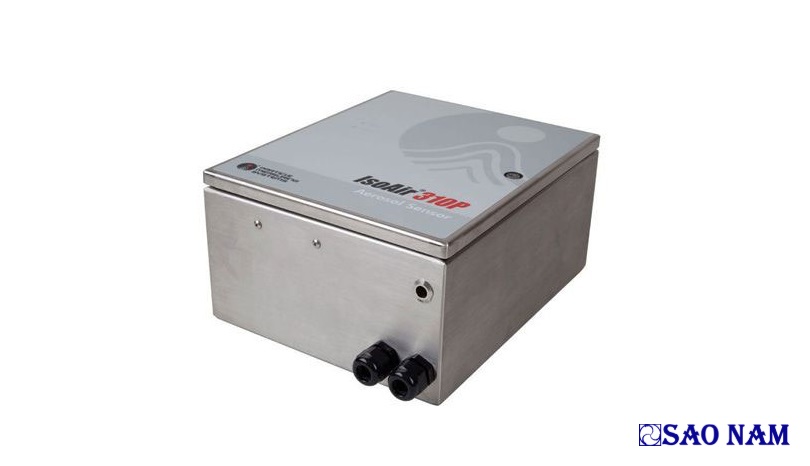
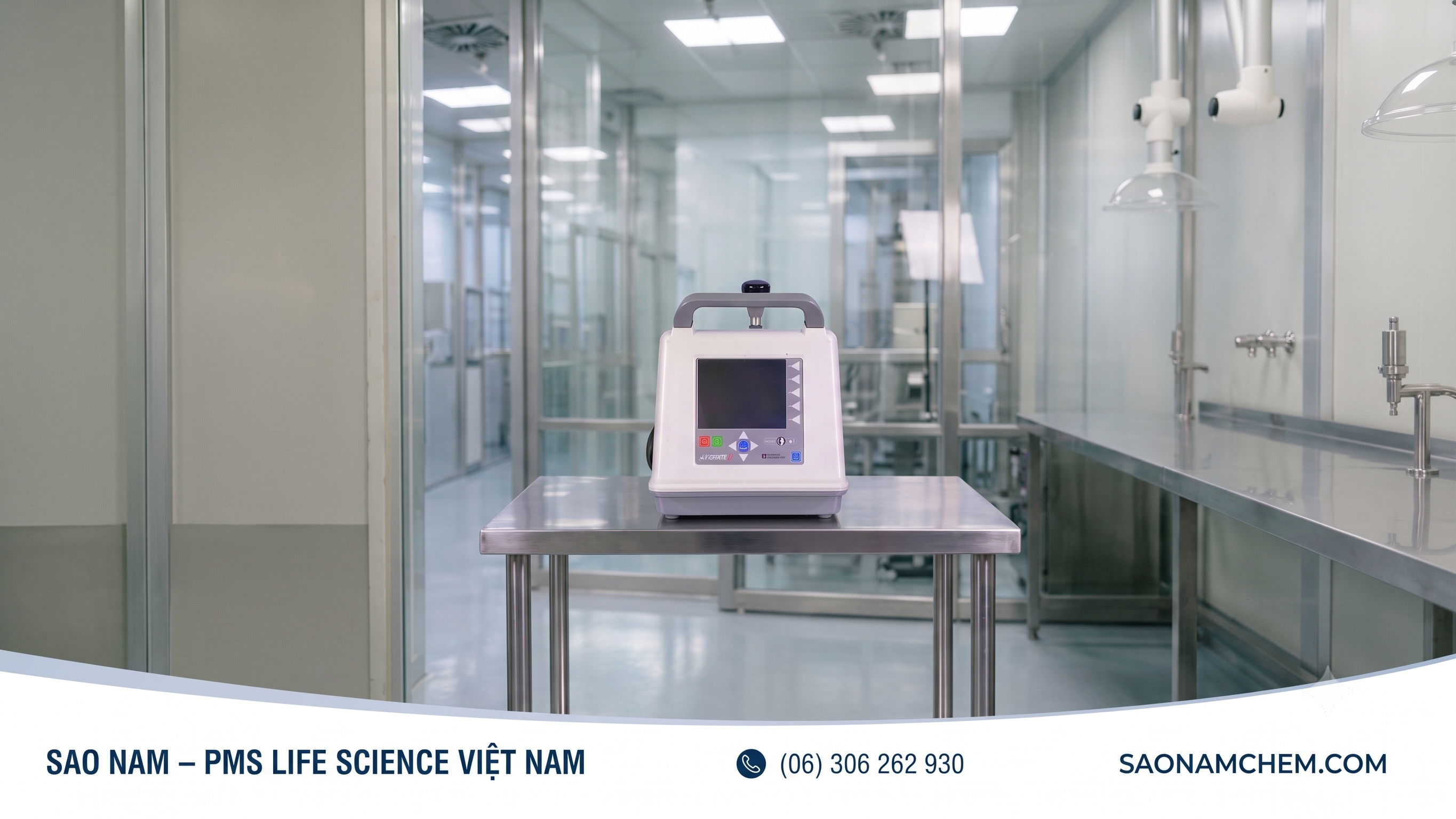
Thiết bị PMS phục vụ kiểm soát nhiễm trong Life Sciences. Ảnh: Particle Measuring Systems.
Thiết bị cũ thường gắn với SOP, qualification và hệ thống dữ liệu lâu năm nên thay không đơn giản. Tuy nhiên chờ đến lúc hỏng mới xử lý có thể gây downtime dài, mất tương thích phần mềm và buộc thay đổi gấp dưới áp lực sản xuất.
1. Vì sao sự cố này khó xử lý?
Thiết bị đo chỉ là một mắt xích trong hệ thống GxP. Kết quả còn phụ thuộc vị trí lấy mẫu, phụ kiện, phương pháp, cấu hình, người vận hành, phần mềm và điều kiện quy trình. Do đó, không nên quy toàn bộ nguyên nhân cho “máy PMS” trước khi kiểm tra có cấu trúc.
| Nhóm nguyên nhân | Dấu hiệu cần xem | Cách loại trừ an toàn |
|---|---|---|
| Phụ tùng | Một số linh kiện ngừng sản xuất hoặc chỉ còn hỗ trợ giới hạn | Xác nhận tình trạng theo model và serial, không dựa vào tên dòng chung. |
| Phần mềm/hệ điều hành | Máy tính cũ, giao thức cũ, rủi ro an ninh và sao lưu | Lập bản đồ phiên bản, phụ thuộc và đường xuất dữ liệu. |
| Hiệu chuẩn | Khả năng dịch vụ khác nhau theo model/linh kiện | Đặt đánh giá sớm; không chờ gần due date. |
| Thay thế | Model mới khác giao diện, dữ liệu, lưu lượng hoặc phụ kiện | Thực hiện gap assessment, change control và kế hoạch migration. |
2. Quy trình phản ứng 5 bước
- Lập danh mục model, serial, firmware, phần mềm, máy chủ, phụ kiện và trạng thái hỗ trợ.
- Phân loại rủi ro theo mức độ quan trọng, máy dự phòng và khả năng khôi phục.
- Xác nhận với đơn vị dịch vụ về hiệu chuẩn, sửa chữa và linh kiện còn khả dụng.
- Sao lưu cấu hình/dữ liệu và thử khả năng đọc, xuất, phục hồi.
- Lập lộ trình thay thế có URS, so sánh chức năng, migration, đào tạo và qualification trước khi máy cũ hỏng.
3. SAO NAM hỗ trợ những gì?
Kiểm tra model/số sê-ri và xác nhận phạm vi hỗ trợ có thể thực hiện.
Khảo sát tình trạng, hiệu chuẩn, bảo trì hoặc sửa chữa trong giới hạn linh kiện và tài liệu.
Đề xuất phương án duy trì tạm thời, máy dự phòng hoặc thay thế phù hợp.
Hỗ trợ sao lưu cấu hình, chuyển đổi phần mềm/dữ liệu và kiểm tra kết nối theo dự án.
Hỗ trợ lắp đặt, đào tạo và qualification cho thiết bị thay thế trong phạm vi hợp đồng.
Không cam kết sửa được mọi model obsolete. Khả năng thực hiện chỉ được xác nhận sau khi kiểm tra model, serial, tình trạng máy, linh kiện, phần mềm và phạm vi hỗ trợ của PMS.
Phạm vi thực hiện phụ thuộc cấu hình đã cung cấp, tình trạng thiết bị, phạm vi dự án và thỏa thuận dịch vụ.
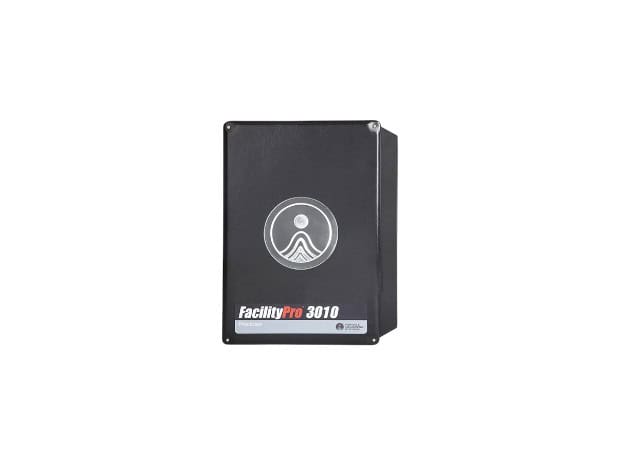
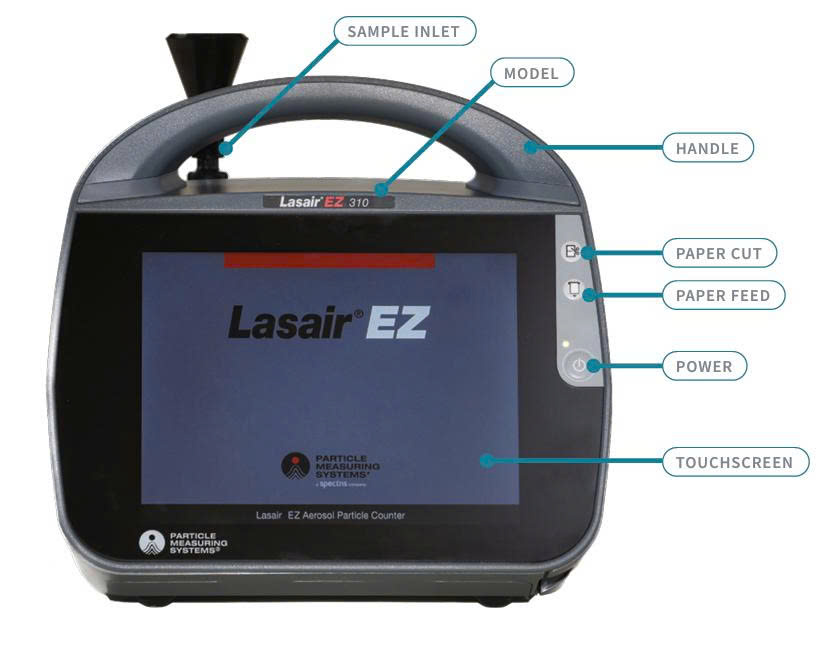
Cấu hình thực tế phải được xác nhận theo model, số sê-ri, phụ kiện và hồ sơ hiện hành. Ảnh: Particle Measuring Systems.
4. Hồ sơ nên chuẩn bị trước khi gọi dịch vụ
| Thông tin | Ví dụ | Lợi ích |
|---|---|---|
| Nhận dạng thiết bị | Model, số sê-ri, firmware/phần mềm, phụ kiện | Xác định đúng tài liệu, linh kiện và phạm vi hỗ trợ. |
| Hiện tượng | Ảnh/video, mã lỗi, giờ xảy ra, tần suất | Rút ngắn sàng lọc và tránh thay linh kiện cảm tính. |
| Dữ liệu | Tệp gốc, audit trail, xu hướng, kết quả kiểm tra | Phân biệt lỗi lặp lại với sự kiện đơn lẻ. |
| Lịch sử | Hiệu chuẩn, bảo trì, sửa chữa, thay đổi gần đây | Đánh giá drift, can thiệp và rủi ro hồi cứu. |
| Bối cảnh GxP | Vị trí, mục đích dùng, lô liên quan, downtime cho phép | Ưu tiên phản ứng và thiết kế kiểm tra sau sửa chữa. |
5. Câu hỏi thường gặp
Cần kiểm tra thiết bị PMS tại nhà máy dược?
Gửi SAO NAM model, số sê-ri, ảnh lỗi, lịch sử hiệu chuẩn và thời gian downtime dự kiến. Chúng tôi sẽ xác nhận phạm vi có thể hỗ trợ trước khi cam kết lịch và phương án.
Liên hệ SAO NAM Life Sciences Xem dịch vụ PMS ngành dược6. Tài liệu đối chiếu
- PMS – FacilityPro Software Related Products/Obsolete Models
- PMS – Limited Support for OBS Equipment
- EU GMP Annex 15
Managing Legacy PMS Instruments, Software and Replacement Risk
A legacy PMS instrument may still operate while lifecycle risk continues to increase. Spare parts, operating systems, software compatibility, communication protocols and calibration support can become limited. Replacement is difficult because an older device may be embedded in SOPs, qualification records, data systems and production schedules. Waiting for an unrecoverable failure creates the highest risk. The site should build an inventory of model, serial number, firmware, software, server dependencies, accessories, service history and support status. Criticality should consider the monitoring point, replacement availability and recovery time. Data and configuration backups should be tested, not merely copied. Supportability must be confirmed for the exact model and serial number because status can vary within a product family; PMS lists Lasair III as obsolete while model 110 remains available. SAO NAM can review the installed base, inspect condition, confirm feasible calibration or repair scope, advise on temporary continuity and replacement options, and support configuration transfer, installation, training and qualification for a migration project. No provider should promise that every obsolete device can be repaired before inspection and parts confirmation. The pharmaceutical company remains responsible for URS, gap assessment, change control, data-retention decisions and final qualification. A planned transition gives QA, engineering, IT and users time to test equivalence and avoid an emergency replacement.
Lifecycle planning should include a documented trigger for replacement, such as unavailable critical parts, unsupported operating systems, inability to meet calibration scope, cybersecurity risk or unacceptable recovery time. The replacement project should preserve required historical records and define whether old and new instruments will run in parallel. Comparison testing must account for flow rate, size thresholds, counting performance and sampling geometry; identical readings should not be expected without considering measurement uncertainty and environmental variability. Training and SOP updates should be completed before the legacy unit is retired. When an old instrument is retained as a backup, its calibration, batteries, accessories, software and data-transfer method still require active management.
For technical support in Vietnam, customers should provide the PMS model, serial number, installed software or accessories, error evidence, calibration status and required downtime. SAO NAM Life Sciences can then confirm a realistic scope covering troubleshooting, maintenance, calibration, repair, training, installation or qualification support as applicable. Final availability is subject to configuration, parts, project scope and service agreement.
Before work begins, both parties should agree on the fault description, access conditions, decontamination status, expected deliverables and return-to-use tests. This preparation improves diagnosis, protects the original evidence and prevents a service action from being confused with the pharmaceutical quality unit's final GMP decision.









.png)


