 SAO NAM | Particle Measuring Systems (PMS) Việt Nam | Life Science & GMP Solutions











Sửa chữa MiniCapt Pro – bộ lấy mẫu vi sinh từ xa
Dịch vụ kiểm tra MiniCapt Pro cho khu vực vô trùng: lỗi bơm, lưu lượng, PoE/nguồn, mạng, I/O, đầu BioCapt, cảnh báo và tích hợp FacilityPro.
Gửi ảnh lỗi và số sê-ri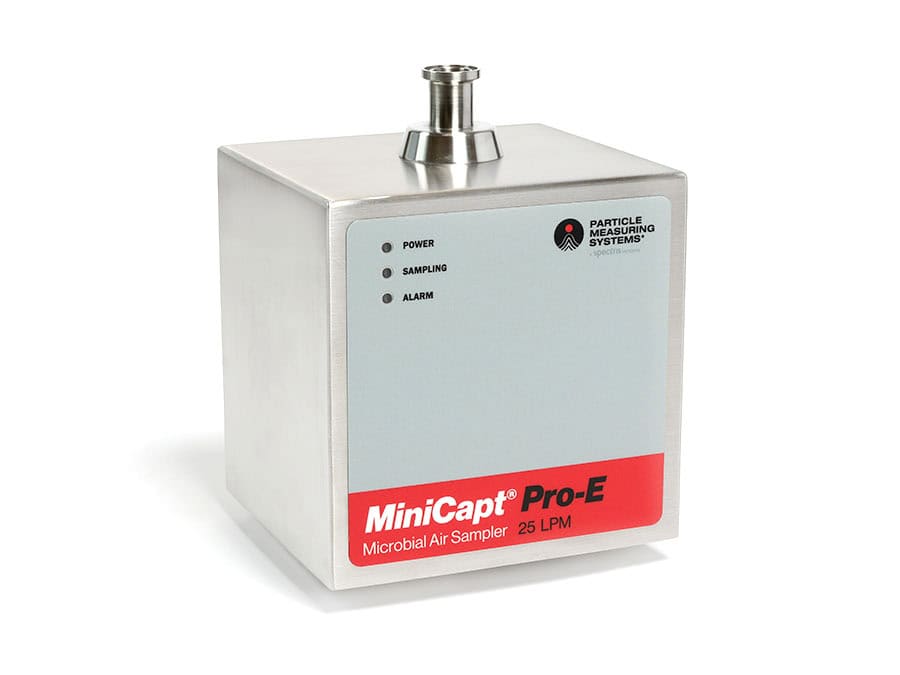
1. Thiết bị MiniCapt® Pro và phạm vi ứng dụng
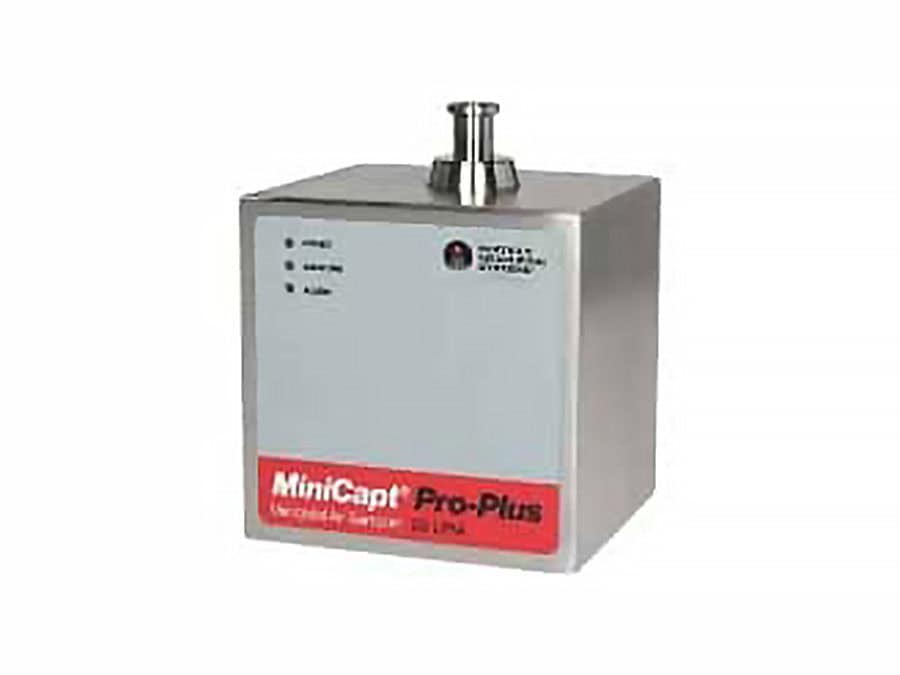
MiniCapt® Pro là bộ lấy mẫu vi sinh chủ động lắp cố định, được sử dụng cho giám sát vi sinh chủ động từ xa tại isolator, RABS, Grade A/B và dây chuyền vô trùng. Thế hệ MiniCapt từ xa hiện hành thay thế dòng MiniCapt Remote cũ; có các biến thể Pro-E và Pro-Plus với cấu hình nguồn/lưu lượng khác nhau.
2. Các triệu chứng thường cần kiểm tra
| Triệu chứng | Nhóm cần kiểm tra | Không nên tự kết luận |
|---|---|---|
| Bơm không chạy, lưu lượng sai hoặc chu trình lấy mẫu bị ngắt | Xác nhận biến thể Pro-E/Pro-Plus và lưu lượng | Có thể liên quan thiết bị, phụ kiện hoặc điều kiện sử dụng |
| Mất nguồn PoE/AC/DC hoặc lỗi I/O | Kiểm tra nguồn, mạng, I/O và cấu hình FMS | Chưa đủ cơ sở thay bo mạch hoặc cảm biến |
| Không giao tiếp FacilityPro/Modbus hoặc mất mapping | Đánh giá bơm, lưu lượng, đường khí và đầu lấy mẫu | Có thể liên quan thiết bị, phụ kiện hoặc điều kiện sử dụng |
| Không nhận trạng thái đầu BioCapt/phụ kiện | Rà bracket, kết nối BioCapt và điều kiện VHP | Chưa đủ cơ sở thay bo mạch hoặc cảm biến |
| Cảnh báo bất thường sau VHP hoặc vệ sinh | Đối chiếu dữ liệu, vị trí, công thức và trạng thái | Có thể liên quan thiết bị, phụ kiện hoặc điều kiện sử dụng |
3. Phạm vi chẩn đoán kỹ thuật
- Xác nhận biến thể Pro-E/Pro-Plus và lưu lượng
- Kiểm tra nguồn, mạng, I/O và cấu hình FMS
- Đánh giá bơm, lưu lượng, đường khí và đầu lấy mẫu
- Rà bracket, kết nối BioCapt và điều kiện VHP
- Đối chiếu dữ liệu, vị trí, công thức và trạng thái
Triệu chứng của người dùng là dữ liệu đầu vào, chưa phải kết luận hỏng linh kiện. SAO NAM sẽ tách lỗi thiết bị, phụ kiện, điều kiện sử dụng, cấu hình và hạ tầng trước khi đề xuất thay thế.
4. Những hạng mục SAO NAM có thể thực hiện
- Khắc phục bơm/lưu lượng và đường khí theo phạm vi
- Xử lý nguồn, PoE, I/O và giao tiếp
- Phục hồi cấu hình/mapping theo hồ sơ đã duyệt
- Kiểm tra kết nối đầu lấy mẫu và phụ kiện
- Đánh giá ảnh hưởng VHP/vệ sinh và ngoại quan
- Hỗ trợ OQ lại điểm giám sát sau sửa chữa
5. Quy trình tiếp nhận và sửa chữa
| Bước | Nội dung | Kết quả |
|---|---|---|
| 1 | Tiếp nhận model, số sê-ri, ảnh và mô tả lỗi | Hồ sơ đầu vào |
| 2 | Kiểm tra ngoại quan và điều kiện an toàn | Tình trạng ban đầu |
| 3 | Chẩn đoán theo cụm chức năng liên quan | Lỗi được khoanh vùng |
| 4 | Báo phạm vi, phụ tùng, chi phí và thời gian | Khách hàng phê duyệt |
| 5 | Sửa chữa và kiểm tra sau can thiệp | Biên bản kỹ thuật |
| 6 | Đánh giá calibration/OQ/PQ cần thiết | Khuyến nghị đưa lại vào sử dụng |
6. Kiểm tra sau sửa chữa
- Chu trình lấy mẫu chạy đủ và ổn định
- Giao tiếp FMS, I/O và cảnh báo được kiểm tra
- Đầu lấy mẫu được nhận đúng trạng thái
- Dữ liệu gắn đúng vị trí và thời gian
- QA/QC đánh giá PQ hoặc method verification cần thiết
BioCapt Single-Use là đầu lấy mẫu dùng một lần, không phải bộ phận sửa chữa định kỳ. Phải tách lỗi MiniCapt Pro, kết nối, đầu dùng một lần và thao tác người dùng.
7. Hồ sơ bàn giao và trạng thái GxP
Hồ sơ có thể gồm tình trạng tiếp nhận, lỗi xác nhận, hạng mục đã thực hiện, linh kiện/vật tư sử dụng, kết quả kiểm tra chức năng, giới hạn còn lại và khuyến nghị. Chứng nhận hiệu chuẩn, IQ/OQ/PQ hoặc thẩm định phần mềm là hạng mục riêng nếu không được ghi trong phạm vi đã duyệt.
Nhà máy chịu trách nhiệm đánh giá tác động theo change control, deviation/CAPA và quyết định khi nào thiết bị được đưa lại vào sử dụng GMP. Với cảm biến lắp cố định, phải bảo đảm lắp lại đúng vị trí, đúng mã điểm và đúng cấu hình hệ thống.
8. Thông tin cần gửi trước khi báo giá
- Tên model và số sê-ri trên nhãn thiết bị
- Ảnh toàn bộ máy, đầu vào/đầu nối và phụ kiện
- Ảnh hoặc video lỗi, mã cảnh báo và thời điểm phát sinh
- Ứng dụng, vị trí sử dụng và điều kiện vệ sinh/khử khuẩn
- Ngày hiệu chuẩn, bảo trì và sửa chữa gần nhất
- Thay đổi gần đây về mạng, phần mềm, phụ kiện hoặc quy trình
- Yêu cầu hồ sơ sau sửa và thời gian cần hoàn tất
Tiếp nhận chẩn đoán, bảo trì và sửa chữa thiết bị PMS dùng trong dược phẩm, công nghệ sinh học và phòng sạch GMP.
Khi cần, SAO NAM phối hợp kỹ sư được đào tạo và chuyên gia Particle Measuring Systems để xác nhận phụ tùng hoặc phương án xử lý phù hợp.
9. Câu hỏi thường gặp
Chỉ báo được phí kiểm tra sơ bộ. Cần model, số sê-ri, hình ảnh, mã lỗi và phụ kiện để khoanh vùng.
Tùy hạng mục can thiệp. Nếu ảnh hưởng lưu lượng, quang học, thể tích mẫu hoặc kết quả đo, cần đánh giá hiệu chuẩn hoặc kiểm tra phù hợp.
Không trình bày linh kiện là chính hãng nếu chưa xác nhận nguồn và khả năng tương thích. Mọi lựa chọn phải được báo trước cho khách hàng.
Không nên. Việc tháo máy có thể làm mất dấu lỗi, phát sinh nhiễm bẩn hoặc tăng mức hư hỏng.
Gửi ảnh nhãn máy, mã lỗi và video triệu chứng để SAO NAM đánh giá bước đầu.
Gọi/Zalo: 0903 938 641Gửi yêu cầu sửa chữa10. Dịch vụ sửa chữa liên quan
- Dịch vụ sửa chữa thiết bị PMS cho ngành dược
- Sửa chữa APSS-2000 cho kiểm nghiệm USP 788
- Sửa chữa LiQuilaz II – cảm biến tiểu phân dung dịch
- Sửa chữa FacilityPro 1010/3010/5010 cho hệ giám sát
11. Nguồn đối chiếu chính thức
- PMS – MiniCapt Pro
- PMS – Dịch vụ sửa chữa và hiệu chuẩn chính hãng
- EU GMP Annex 1 – European Commission
MiniCapt Pro Remote Microbial Air Sampler Repair Service
Repair scope for regulated Life Sciences use
This page describes repair and system reintegration of MiniCapt Pro remote microbial air samplers installed in aseptic pharmaceutical areas. SAO NAM receives the instrument for documented inspection and troubleshooting before confirming the final repair scope. A model name alone is not enough to promise a repair result. Serial number, configuration, firmware or software version, accessories, service history, contamination exposure and the observed failure must be reviewed.
Repair is different from preventive maintenance, calibration and qualification. Maintenance aims to reduce predictable wear and contamination. Repair restores a failed function where technically and commercially feasible. Calibration evaluates measurement performance against a defined method. Qualification demonstrates that the configured system is installed and operates for its intended GMP use. Depending on the intervention, more than one activity may be required before the equipment returns to service.
Fault isolation before parts replacement
A good repair process starts by separating the symptom from the root equipment fault. A flow alarm may come from a pump, blocked tubing, a leak, an external vacuum source or configuration. High particle counts may be caused by a contaminated flow path, bubbles, sample preparation, environmental contamination or optical drift. A communication failure may come from the instrument, cable, switch, server, address or software service. Replacing parts without this isolation can increase downtime without solving the problem.
SAO NAM therefore records the as-received condition, reviews the customer description and performs functional checks that are safe for the device. When the failure requires controlled manufacturer procedures, proprietary adjustment, unavailable parts or deeper factory capability, SAO NAM coordinates the next technical route with Particle Measuring Systems as appropriate. No component is presented as “OEM” unless its source and compatibility have been confirmed.
Post-repair verification and GMP impact
After the repair, the affected functions are checked again. The test may include power-up, flow, pump operation, zero or background response, touchscreen or user interface, data storage, communication, alarms, accessories and sample recipes, depending on the model. The service record identifies what was tested and what was not tested. It should also state whether calibration, OQ, PQ, system suitability or method verification is recommended.
For instruments used in pharmaceutical manufacturing, returning power to the device does not automatically restore validated status. QA and the system owner must evaluate the intervention through site change control and deviation procedures. The assessment should consider measurement impact, software configuration, user access, data integrity, instrument location, sampling tubing and any records generated before the fault was detected.
Information required for a repair quotation
Customers should provide the exact model and serial number, instrument label photographs, application and cleanroom or laboratory area, current symptoms, error screenshots, last calibration and maintenance dates, recent changes, exposure to disinfectants or high particle loads, and the accessories supplied with the unit. For connected devices, include the system architecture, point name, network condition and whether the fault affects one point or multiple points.
SAO NAM focuses this service on PMS equipment used in pharmaceutical and Life Sciences contamination control. The final repair quotation is issued only after the required evidence has been reviewed. Parts availability, legacy product status and the need for manufacturer-level support can affect feasibility, lead time and cost.
Service documentation
The handover package may include an inspection record, confirmed fault, actions performed, parts used, functional test results, open limitations and recommendations. Calibration certificates, qualification protocols or software validation evidence are separate deliverables unless they are explicitly included in the approved scope. This distinction helps QA understand exactly what evidence supports the instrument's return to GMP use.
Send the serial number, photos, error message and intended use to SAO NAM Life Sciences.
Call/Zalo: +84 903 938 641Contact SAO NAMThông tin được đối chiếu từ nguồn chính thức truy cập tháng 8/2026. Model, phụ tùng và tình trạng hỗ trợ có thể thay đổi; cần xác nhận trước khi sửa chữa.









.png)


