 PMS Việt Nam – Particle Measuring Systems | Sao Nam





Nhà máy mỹ phẩm cần kiểm soát hạt đến mức nào theo ISO 22716 và CGMP-ASEAN?
-
Hãng sản xuất: Model: Document: -
Liên hệ


ISO 22716:2007 đưa ra hướng dẫn GMP cho sản xuất, kiểm soát, lưu trữ và vận chuyển sản phẩm mỹ phẩm. Tiêu chuẩn tập trung vào chất lượng sản phẩm; không phải một bảng cấp sạch bắt buộc cho mọi nhà máy.
ASEAN Cosmetic GMP cũng hướng tới điều kiện sản xuất có kiểm soát. Do đó, câu hỏi đúng không phải “mỹ phẩm phải Grade mấy?”, mà là “sản phẩm và công đoạn nào có thể bị ảnh hưởng bởi ô nhiễm không khí, bề mặt, nước, con người hoặc vật liệu?”.
Sản phẩm giàu nước, ít chất bảo quản, chứa nguyên liệu tự nhiên hoặc dùng quanh mắt có thể nhạy hơn với vi sinh. Bột, aerosol, kem, gel và sản phẩm khan có failure mode khác nhau.
Open mixing, manual addition, transfer hở, holding dài và filling hở tăng khả năng tiếp nhận ô nhiễm. Quá trình kín và cleaning được kiểm soát có thể giảm nhu cầu monitoring không khí ở một số điểm.
Thay đồ, vệ sinh tay, di chuyển, cửa mở, vật tư trả về và bảo trì thường là nguồn hạt/vi sinh. Layout và airflow phải hỗ trợ luồng một chiều hợp lý, tránh giao cắt.
Chênh áp, lọc, air change, nhiệt độ và độ ẩm cần phù hợp sản phẩm và quy trình. Particle counting có thể dùng khi qualification, troubleshooting hoặc trend nếu nó hỗ trợ một quyết định chất lượng cụ thể.
Kết quả thành phẩm, bioburden, EM, nước, surface, cleaning deviation và complaint giúp xác định điểm yếu thật. Giới hạn nội bộ nên dựa trên qualification, baseline và trend, không chỉ lấy từ bảng bên ngoài.
| Ứng dụng | Giá trị của dữ liệu hạt | Cần xem cùng |
|---|---|---|
| HVAC qualification | Xác nhận air cleanliness theo requirement thiết kế | HEPA, airflow, pressure, recovery |
| Open filling | Phát hiện biến động do người, vật tư, máy | Vi sinh không khí/bề mặt, thao tác |
| Troubleshooting | Khoanh vùng nguồn phát sinh hoặc sự kiện | Maintenance, cleaning, door event |
| Trend phòng kiểm soát | Nhìn drift trước khi có failure lớn | Bioburden, complaint, product result |
| Khu vực không ảnh hưởng sản phẩm | Có thể giá trị thấp nếu đo không dẫn đến quyết định | Risk assessment và cost-benefit |
- Lập product–process risk map cho từng family sản phẩm.
- Xác định critical exposure và nguồn ô nhiễm có khả năng tác động.
- Chọn chỉ tiêu: hạt, vi sinh không khí, bề mặt, nước, pressure, nhiệt/ẩm.
- Qualification HVAC và thiết bị theo user requirements đã phê duyệt.
- Thiết lập baseline và alert levels từ dữ liệu đủ đại diện.
- Quy định trigger điều tra, vệ sinh, maintenance và review.
- Xem lại sau thay đổi sản phẩm, layout, HVAC hoặc quy mô sản xuất.
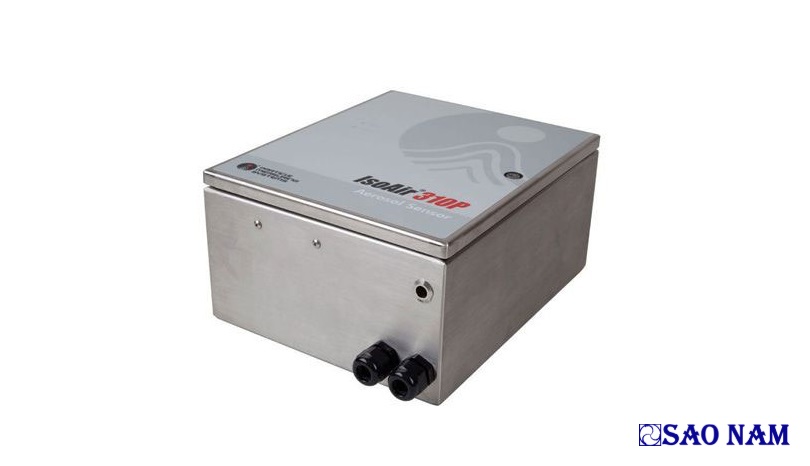
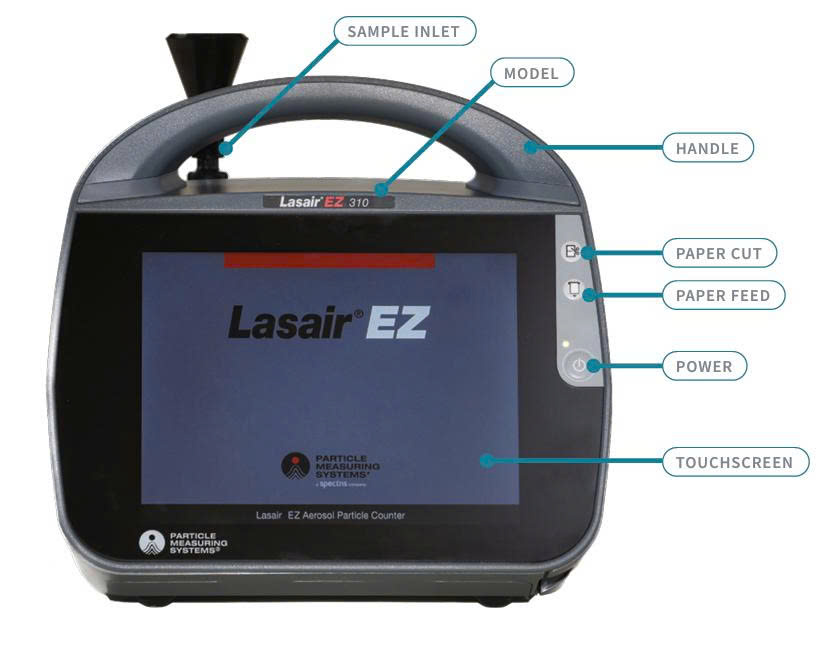
Lasair® có thể hỗ trợ đếm tiểu phân không khí cho qualification, troubleshooting và monitoring; MiniCapt® hỗ trợ active microbial air sampling khi đánh giá rủi ro cần dữ liệu vi sinh không khí.
SAO NAM là Authorized Sales & Service Center của Particle Measuring Systems, chuyên trách Life Science tại Việt Nam. Với MiniCapt® và BioCapt®, SAO NAM Life Sciences là đơn vị phân phối độc quyền tại Việt Nam theo phạm vi ủy quyền hiện hành. Hỗ trợ gồm đánh giá ứng dụng, lựa chọn cấu hình, đào tạo, hiệu chuẩn, bảo trì và xử lý kỹ thuật theo phạm vi dự án.
ISO 22716 provides GMP guidelines for the production, control, storage and shipment of cosmetic products. It addresses product-quality practices but does not prescribe a universal pharmaceutical Grade A, B, C or D classification for every cosmetic manufacturing room. The appropriate environmental control should be justified from the product and process.
ASEAN cosmetic GMP expectations also support controlled manufacturing conditions. The practical question is which contamination pathways can affect the cosmetic product, not which pharmaceutical grade can be copied into a room specification.
Water-rich formulations, weak preservation, natural raw materials, products used around the eyes, open mixing, manual additions, long holding times and open filling can create different risks. Dry powders, aerosols, creams and gels require different control strategies. Closed processing and robust cleaning may reduce airborne risk at some stages.
Personnel, material transfer, doors, maintenance and cleaning remain important sources. HVAC filtration, pressure, temperature, humidity and airflow should support the intended process. Requirements should be linked to product specifications and failure modes.
Airborne particle counting can support HVAC qualification, investigation and trending where a change in particle concentration is relevant to product or process control. It does not identify viable organisms and cannot replace microbial air, surface, water or product testing. Every measurement should have an associated decision or action.
Internal alert levels should be based on qualification, baseline data, process history and risk rather than imported without justification. Trends should be reviewed with bioburden, water, cleaning deviations, maintenance and complaints.
Lasair® particle counters can support air-cleanliness qualification, troubleshooting and monitoring. MiniCapt® active microbial air samplers can support viable air assessment where the risk evaluation requires it. The model, locations, frequency and limits should be selected from the cosmetics process rather than from a generic package.
SAO NAM is the Authorized Sales & Service Center of Particle Measuring Systems specializing in Life Science applications in Vietnam. SAO NAM Life Sciences is also the exclusive distributor of MiniCapt® and BioCapt® solutions in Vietnam under the current authorization scope. Support may include application review, configuration selection, training, calibration, maintenance and troubleshooting according to project scope.
The monitoring plan should be justified by the cosmetic product and process. Water-rich formulas, natural raw materials, open mixing, manual additions, warm holding, filling exposure and difficult-to-clean equipment can create different contamination pathways. Map these pathways and identify where airborne particles are a useful process indicator versus where microbial, surface, water, differential-pressure or cleaning controls provide stronger evidence. Define alert levels from qualification and operating history rather than importing pharmaceutical limits without rationale. Reassess the program after changes in formulation, packaging, room layout, personnel flow, HVAC, cleaning chemistry or production volume. This risk-based approach supports ISO 22716 quality objectives while keeping measurement effort focused on decisions that protect product quality.
Before release, the site should confirm that the approved procedure, configured equipment, user training, raw data, review records and deviation process all describe the same workflow. Technical statements should be traceable to the current controlled standard or manufacturer document. Any site-specific limit, sampling duration or acceptance rule requires an approved rationale. Periodic review should compare the original assumptions with operating trends, changes, investigations and maintenance history. This final alignment is what allows a technically capable instrument or system to remain reliable and audit-ready throughout routine use.
- Cam kết chất lượng
- Bảo hành chính hãng
- Giao hàng tận nơi
- DỊCH VỤ 24/7
Có thể bạn thích
-
 Liên hệThêm vào giỏ hàng
 -
Hot
 Liên hệThêm vào giỏ hàng
 -
_-17-06-2026-00-22-19.png "Giám sát môi trường sản xuất (Environmental Monitoring)") Liên hệThêm vào giỏ hàng
Liên hệThêm vào giỏ hàng -
 Liên hệThêm vào giỏ hàng
 -
_-17-06-2026-05-23-27.png "Contamination Control Strategy (CCS) là gì?") Liên hệThêm vào giỏ hàng
Liên hệThêm vào giỏ hàng -
 Liên hệThêm vào giỏ hàng
 -
 Liên hệThêm vào giỏ hàng
 -
_-17-06-2026-06-24-19.png "Facility Monitoring System (FMS) là gì?") Liên hệThêm vào giỏ hàng
Liên hệThêm vào giỏ hàng -
 Liên hệThêm vào giỏ hàng
 -
 Liên hệThêm vào giỏ hàng
 -
 Liên hệThêm vào giỏ hàng
 -
 Liên hệThêm vào giỏ hàng
.png)


